The Complete Guide
Water Reservoirs: The Complete Guide to Reliable Water Storage in South Africa
Types, materials, sizing and everything you need to know to choose a reservoir built for South African conditions.
What Is a Water Reservoir?
A water reservoir is a large-capacity storage container designed to hold and preserve water for future use. Unlike standard water tanks, reservoirs are engineered for substantial volume — typically ranging from 5,000 litres to over 1 million litres — making them ideal for agricultural, commercial, industrial and large-scale residential applications.
In South Africa, where water security remains a pressing concern, investing in a robust water reservoir is not a luxury. It is a necessity.
Why Water Reservoirs Matter in South Africa
South Africa's water landscape is unpredictable. Between drought cycles, municipal supply interruptions and rising water costs, a dedicated reservoir delivers:
- Water Security: Buffer against supply cuts and restrictions.
- Cost Control: Reduce dependence on expensive municipal water.
- Operational Continuity: Keep farms, factories and facilities running during outages.
- Fire Protection: A critical reserve for rural and commercial properties.
- Rainwater Harvesting: Capture and store seasonal rainfall efficiently.
- Peace of Mind: Predictable supply for homes, estates and off-grid living.
Types of Water Reservoirs
The right choice depends on your volume needs, available space, budget and intended water use.
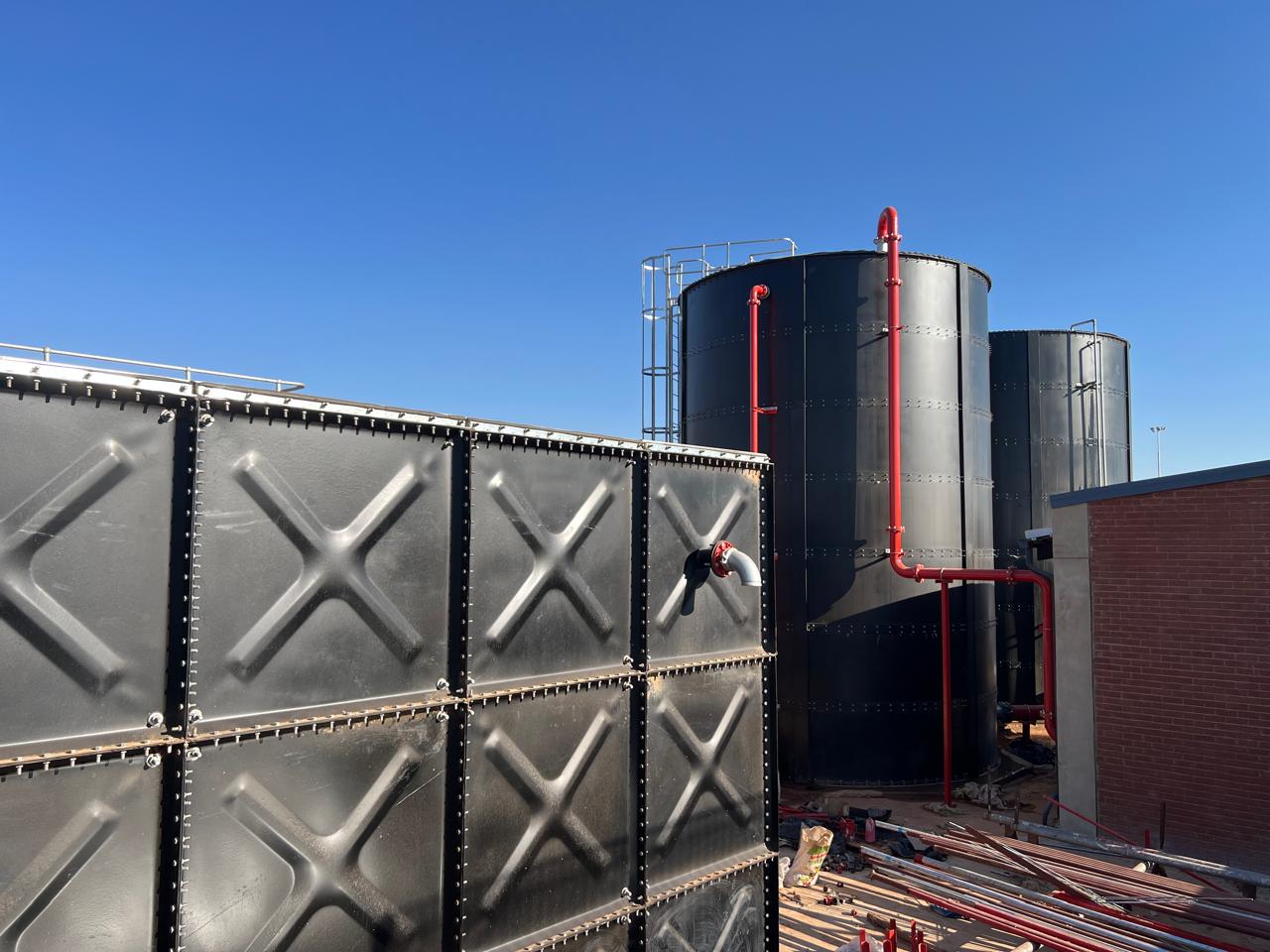
1. Steel Water Reservoirs
Best for: Industrial and agricultural bulk storage.
Pros: Extremely high capacity, long lifespan, modular expansion.
Considerations: Requires proper foundation and corrosion protection.
2. Plastic / Polyethylene Water Reservoirs
Best for: Residential, light commercial and potable water.
Pros: UV-stabilised, lightweight, cost-effective, easy to install.
Considerations: Lower capacity ceiling than steel.
3. Concrete Water Reservoirs
Best for: Permanent underground or large-scale installations.
Pros: Immense capacity, fire-resistant, long-term asset.
Considerations: High upfront cost, inflexible once built.
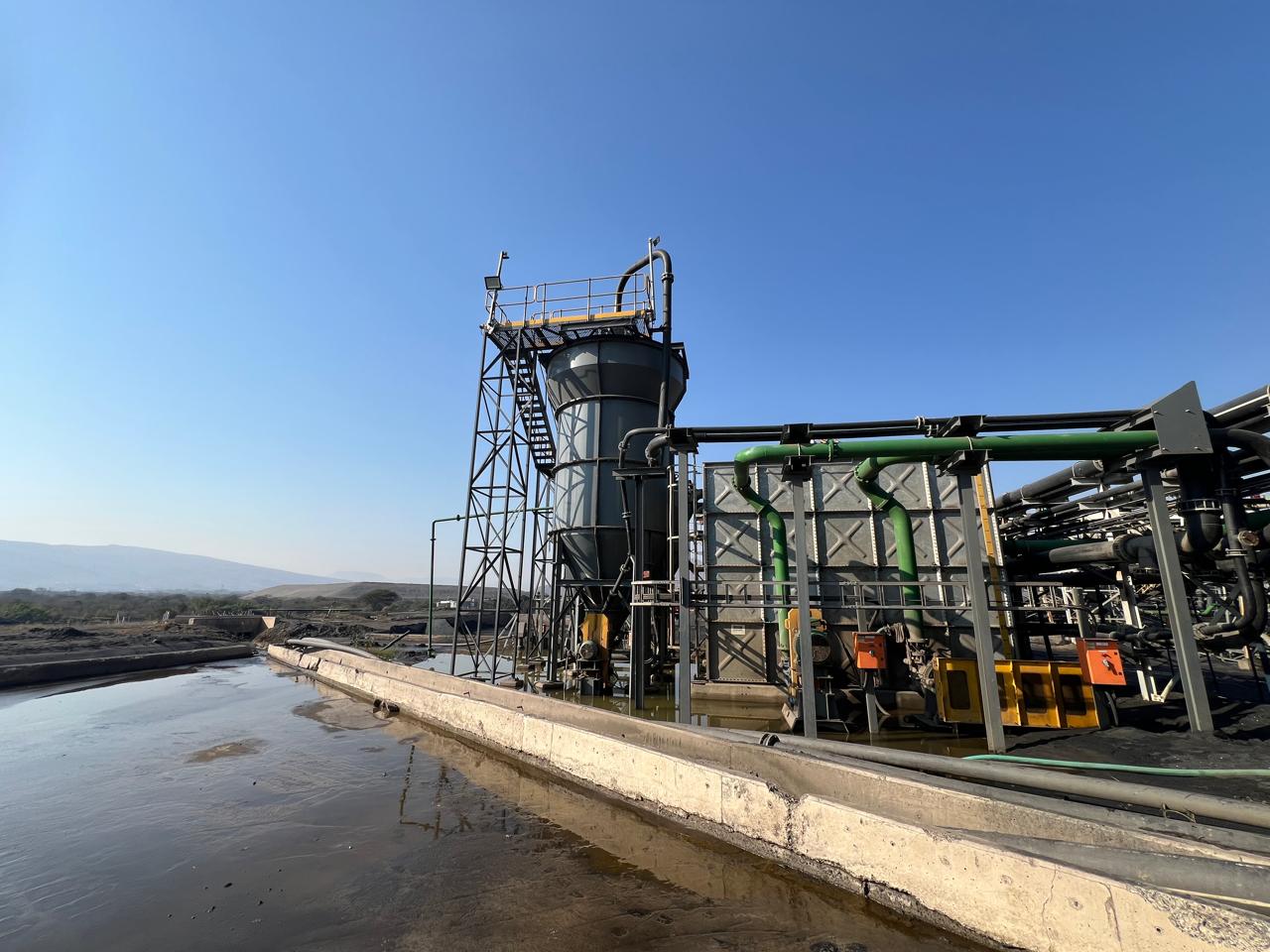
4. Corrugated / Bolted Sectional Steel Reservoirs
Best for: Farms, mines and remote operations.
Pros: High volume, rapid deployment, can be relocated.
Considerations: Liner quality determines potable water suitability.
Key Factors When Choosing a Water Reservoir
| Factor | What to Consider |
|---|---|
| Capacity | Calculate daily usage plus a reserve buffer. Farms often need 50,000 L+; commercial estates 200,000 L+. |
| Material | Match material to water type — potable vs. irrigation vs. industrial process. |
| Location | Above-ground vs. underground. Space constraints and foundation requirements. |
| Access | Pump systems, gravity feed or integrated plumbing for distribution. |
| Compliance | SANS and local municipal regulations for potable and bulk storage. |
| Durability | UV resistance, corrosion protection and expected lifespan in SA climates. |
Water Reservoirs vs. Standard Water Tanks
The terms are often used interchangeably, but there is a practical distinction:
| Feature | Water Tank | Water Reservoir |
|---|---|---|
| Typical Capacity | 500 L – 10,000 L | 10,000 L – 1,000,000 L+ |
| Primary Use | Residential, small commercial | Agricultural, industrial, bulk commercial |
| Installation | Rooftop, ground-level, compact | Dedicated foundation, large footprint |
| Material Focus | Poly, plastic, small steel | Heavy-gauge steel, concrete, modular systems |
If your operation requires 10,000 litres or more of stored water, you are in reservoir territory — and you need a solution built for scale. Explore our water reservoir services or the bolted sectional steel range.
Who Needs a Water Reservoir?
- Agriculture & Farming: Irrigation, livestock and crop spraying demand large, reliable reserves. A single day without water can devastate yields.
- Mining & Industrial: Processing, dust suppression and site operations require high-volume reservoirs that withstand harsh conditions.
- Commercial & Retail: Shopping centres, hotels and office parks use reservoirs for backup supply, fire suppression and landscaping.
- Municipal & Community: Rural towns and housing developments rely on bulk reservoirs to maintain consistent service delivery.
- Residential Estates: High-end estates and off-grid properties use large reservoirs for rainwater harvesting and self-sufficient living.
- Fire Protection: Dedicated fire-water reserves for warehouses, malls, factories and remote sites.
Maintenance Tips for Long-Lasting Water Reservoirs
A water reservoir is a long-term asset. Protect your investment with these practices:
- Inspect annually: Check for leaks, corrosion, liner damage or UV degradation.
- Clean periodically: Remove sediment, algae and debris — especially before the rainy season.
- Monitor water quality: Test potable reservoirs for bacterial and chemical safety.
- Service pumps and valves: Keep distribution systems operating at full capacity.
- Guard against contamination: Secure lids, screens and overflow guards.
Preventative maintenance costs a fraction of emergency repairs or replacement.
Why Choose Videx Tanks for Your Water Reservoir?
At Videx Tanks, we engineer and supply water reservoirs built for South African conditions. Our solutions are designed for:
- High Capacity: From compact commercial tanks to massive bulk reservoirs.
- Durability: Materials selected for UV, temperature swings and long-term load.
- Custom Sizing: We match capacity to actual consumption and reserve needs.
- Local Expertise: We understand SA regulations, climate and logistics.
Whether you need a 10,000-litre poly reservoir for a commercial site or a 500,000-litre steel reservoir for agricultural irrigation, we deliver solutions that hold water — and hold up over time.
Ready to Secure Your Water Supply?
Don't wait for the next drought notice or municipal cut-off. Tell us your daily usage, your space and your goals — we'll recommend the right reservoir for your operation.
Get a Free Consultation · Explore Reservoir Services
Frequently Asked Questions
How long does a water reservoir last?
With proper maintenance, polyethylene reservoirs last 15–20 years. Steel reservoirs with correct coating and care can exceed 30 years.
Can I use a water reservoir for drinking water?
Yes — provided the reservoir is manufactured from food-grade, SANS-compliant materials and is properly maintained.
Do I need a pump for my water reservoir?
Most installations use a pump for pressurised distribution. Gravity-fed systems are possible if elevation allows.
What is the largest water reservoir Videx Tanks supplies?
We supply a wide range of capacities, from compact 5,000 L units to bulk reservoirs over 1,000,000 L. Contact us directly for bulk and custom reservoir specifications.